
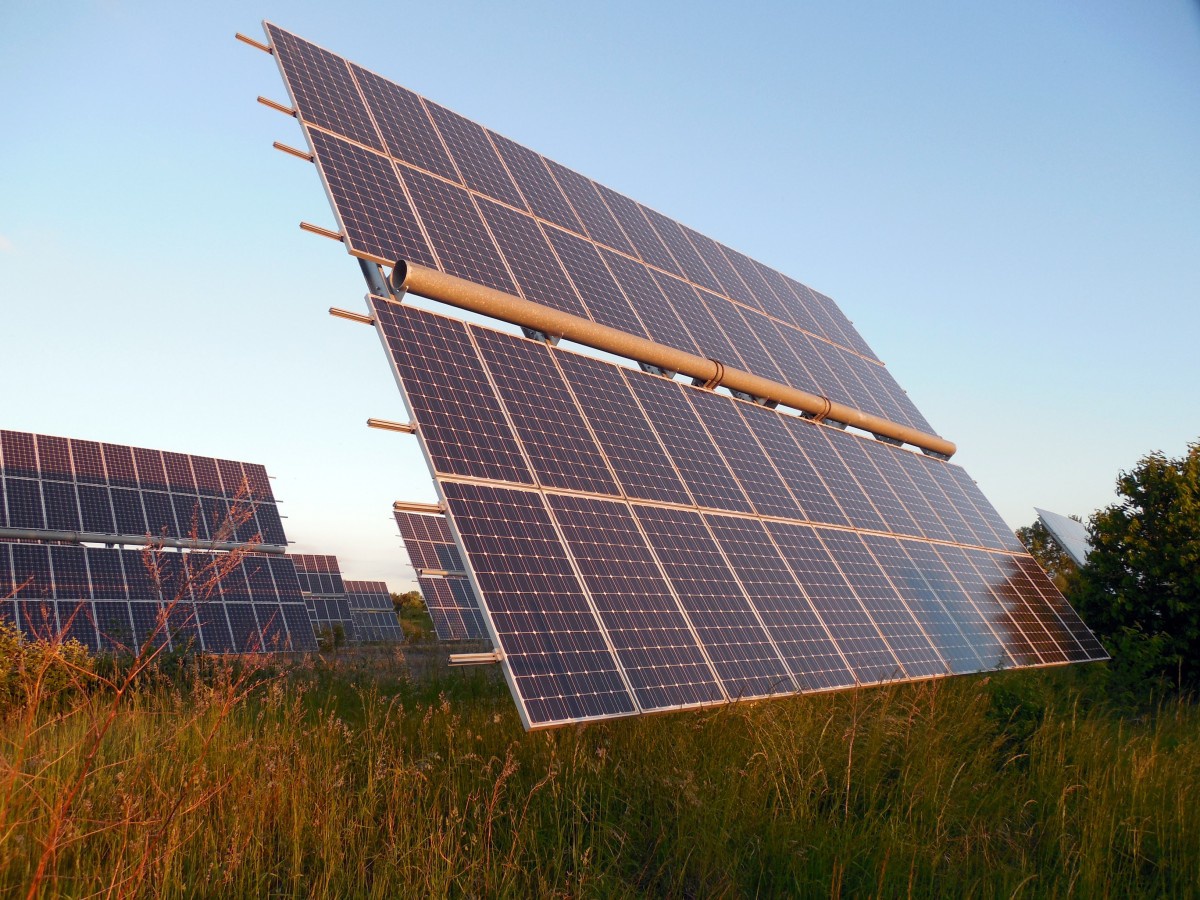
Malaysia Advances Its Renewable Energy Development
Malaysia is continuing to expand its renewable energy sector through new large-scale solar development initiatives.
On 16 July 2026, the Ministry of Energy Transition and Water Transformation announced the implementation of the Large Scale Solar 6 (LSS6) programme, which includes a substantial allocation for solar generation and battery energy storage.
According to the announcement reported by Bernama, LSS6 provides for 2,500 MW of solar capacity alongside 1,250 MW of battery energy storage system capacity across its programme packages.
The initiative reflects the increasing importance of combining renewable electricity generation with solutions that can improve power system flexibility.
Why Is Battery Energy Storage Becoming Important?
Solar PV systems generate electricity according to available sunlight. Electricity demand, however, does not always follow the same pattern.
Battery energy storage systems can store electricity and release it later, subject to their technical design, operating strategy and available stored energy.
Depending on the application, battery storage may support:
- Shifting electricity use to different periods.
- Managing selected peak-demand conditions.
- Integrating renewable generation into electricity systems.
- Supporting power system flexibility and reliability.
- Improving the utilisation of available solar generation.
The value of a battery system depends on its power rating, energy capacity, operating profile, efficiency, degradation, installation cost and the applicable electricity arrangements.
Not every facility requires battery storage, and its financial benefits should be assessed against the specific operating conditions of the site.
What Is the LSS6 Programme?
LSS6 is a competitive large-scale solar programme designed to expand Malaysia’s renewable electricity generation capacity.
The announced allocation includes packages combining solar PV and battery storage, alongside a separate package for smaller-scale solar projects targeted at eligible Bumiputera companies.
The government has also indicated that the programme is expected to attract substantial private investment and support the development of the local renewable energy industry.
These utility-scale developments are distinct from residential rooftop solar and commercial self-consumption installations. Nevertheless, they demonstrate the wider direction of Malaysia’s energy transition.
What Does This Mean for Commercial and Industrial Electricity Users?
Large-scale renewable energy developments and battery storage investment may help strengthen the broader renewable energy ecosystem. For individual businesses, however, the most appropriate solution still depends on their own electricity consumption and operational requirements.
A factory experiencing high electricity demand during specific periods may wish to evaluate peak-demand management. A facility with substantial daytime electricity consumption may benefit from assessing rooftop solar first.
In some cases, solar PV and battery storage may be evaluated together. The decision should be based on a technical and financial comparison of the available alternatives.
Alpha Arus Sdn Bhd’s Perspective
Alpha Arus Sdn Bhd recognises the importance of understanding both solar generation and energy storage as Malaysia’s energy market develops.
For commercial and industrial customers, we believe that energy solutions should begin with a clear understanding of electricity consumption, maximum demand, operating schedules and the customer’s financial objectives.
Solar PV and battery storage are technologies with different functions. Evaluating them together can help businesses understand which configuration, if any, is appropriate for their requirements.
Interested in exploring solar PV or battery energy storage for your facility?
Contact Alpha Arus Sdn Bhd to discuss your energy requirements and potential project options.
This article is for general information and industry awareness. LSS6 is a utility-scale programme, and its allocations should not be interpreted as direct grants or incentives for individual rooftop solar customers. Project feasibility depends on site-specific and regulatory requirements.
Sources: Bernama — LSS6 to Boost Renewable Energy Capacity: https://www.bernama.com/en/news.php?id=2581538
SEDA Malaysia — Large Scale Solar: https://www.seda.gov.my/reportal/large-scale-solar/
Leave a Reply