
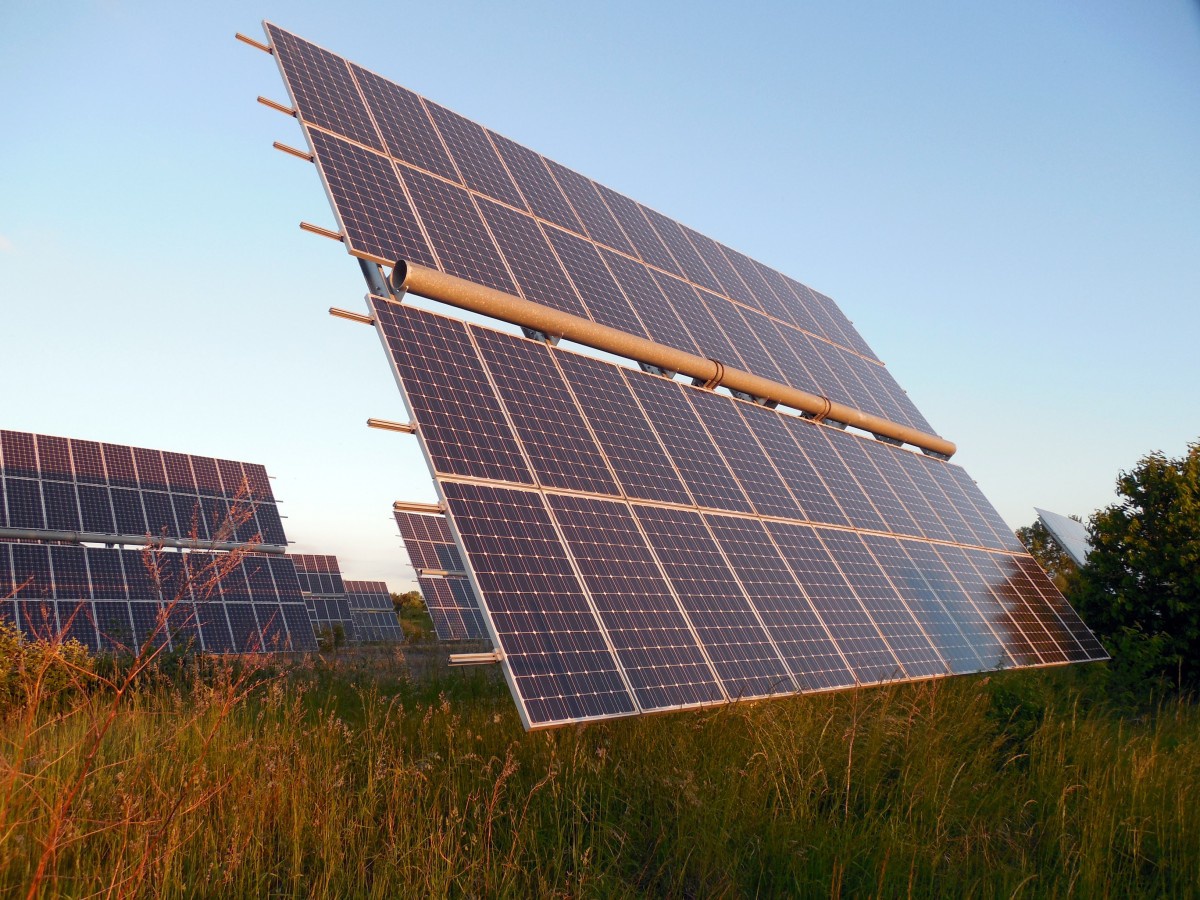
Malaysian Businesses Explore Rooftop Solar Opportunities
Electricity is an important operating expense for many Malaysian businesses, particularly factories, warehouses, workshops and commercial buildings with substantial daytime energy consumption.
As Malaysia continues to expand its renewable energy initiatives, Solar ATAP offers eligible consumers a framework to install rooftop solar PV systems, use the electricity generated on-site and export surplus electricity under applicable programme conditions.
For businesses, the key question is not simply how many solar panels can fit on a roof. It is how effectively solar generation can match the facility’s electricity demand.
How Does Solar ATAP Work for Businesses?
Solar ATAP commenced in Peninsular Malaysia on 1 January 2026.
Under the programme, eligible non-domestic consumers may install solar PV systems subject to the applicable technical and regulatory requirements.
For non-domestic consumers, the programme’s stated capacity limit is up to 100% of maximum demand or 1,000 kW, whichever is lower, subject to technical assessment and the applicable guidelines.
Depending on the proposed capacity and electrical connection, additional technical assessments may be required before an application can proceed.
Businesses should also confirm their eligibility, existing solar programme status and connection requirements before committing to a project.
Why Daytime Electricity Consumption Matters
A rooftop solar system generates electricity during daylight hours, with actual output depending on sunlight, weather, system design and site conditions.
Businesses that consume substantial electricity during these hours may be able to use a significant proportion of the solar energy generated directly on-site.
Potential benefits include:
- Reducing electricity purchased from the grid.
- Improving visibility over long-term energy costs.
- Making productive use of existing rooftop space.
- Supporting corporate sustainability objectives.
- Reducing exposure to some forms of electricity cost fluctuation.
Actual savings depend on the customer’s tariff, consumption profile, solar generation, system cost and applicable export arrangements.
How Much Solar Capacity Does a Factory Need?
There is no single solar system size suitable for every facility.
A proper assessment should consider the latest electricity bills, maximum demand, interval load data where available, operating hours, roof space, structural condition and electrical infrastructure.
For example, a factory operating mainly during the day may have a different ideal solar system size from a warehouse that consumes most of its electricity overnight.
An oversized system may produce more surplus electricity than the site can use effectively. A carefully designed system should therefore balance generation with actual consumption and programme requirements.
What About Battery Energy Storage?
Battery energy storage systems (BESS) may be considered where a business needs to store electricity for use at a different time or manage specific power-demand challenges.
Depending on the facility and the approved system configuration, storage may support load shifting or peak-demand management. However, batteries introduce additional capital costs, conversion losses and maintenance considerations.
A financial assessment should compare the expected benefits against the complete installed cost rather than assume that adding a battery will automatically improve project returns.
What Should Businesses Prepare Before Requesting a Solar Proposal?
To obtain a more meaningful preliminary assessment, businesses should prepare:
- Recent electricity bills.
- Available interval electricity consumption or load profile data.
- Maximum demand information.
- Roof plans and available installation area.
- Details of existing solar installations, if any.
- Information on operating hours and future expansion plans.
These details help establish an appropriate preliminary system size and identify issues that may require further technical investigation.
Alpha Arus Sdn Bhd: Exploring Solar Solutions for Businesses
Alpha Arus Sdn Bhd works with customers exploring solar energy solutions for commercial and industrial applications.
Our assessment approach focuses on understanding the facility’s electricity consumption, available installation area and project requirements before evaluating suitable system options.
Whether you operate a factory, warehouse, workshop or commercial building, the first step is to establish how solar generation could fit your energy consumption profile.
Contact Alpha Arus Sdn Bhd to discuss a preliminary solar assessment for your business.
Disclaimer: Solar ATAP eligibility, system capacity, technical approval and electricity export arrangements are governed by the applicable official guidelines. Estimated savings and financial returns depend on individual project conditions.
Official reference: SEDA Malaysia — Solar ATAP: https://www.seda.gov.my/reportal/atap/
Leave a Reply